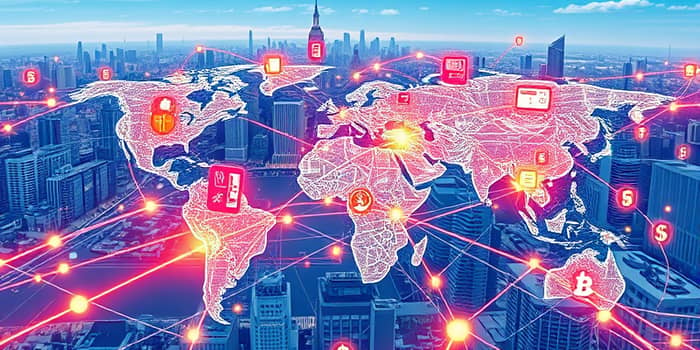
The digital payments landscape is evolving at breakneck speed, driven by an unrelenting demand for seamless, inclusive, and secure transactions. As businesses and consumers alike pivot toward real-time and mobile-centric commerce, next-generation payment gateways are redefining what it means to exchange value across borders, channels, and currencies.
From mobile wallets to stablecoins, these platforms are at the forefront of a revolution that promises to make payments faster, safer, and more accessible for all.
Payment ecosystems have come a long way from simple card swipes and basic online checkouts. Today’s gateways integrate cards, e-wallets, RTP, and digital currencies to support both domestic and cross-border commerce—whether face-to-face or online. Asia, in particular, leads in mobile eWallet adoption and instant payments, forging an inclusive environment that empowers consumers and merchants alike.
Key milestones in this evolution include the adoption of ISO 20022 standards for data interoperability, the emergence of CBDCs and stablecoins, and the rise of embedded finance within consumer apps. These advances converge to create a unified network capable of handling millions of transactions per second with end-to-end encryption and near-zero downtime.
Merchants, from small boutiques to global enterprises, prioritize integrated solutions that minimize chargebacks, simplify compliance, and optimize conversion rates. For many, the ability to accept multiple currencies, BNPL options, and crypto assets without juggling disparate providers is the key to scaling internationally.
Regulators worldwide are balancing innovation with consumer protection, encouraging instant payment rails while enforcing strict privacy and anti-money laundering controls. This dynamic fosters a competitive environment where technology providers must demonstrate both ingenuity and compliance.
In 2026, businesses of all sizes can choose from a wealth of payment gateway options. Below is a snapshot of top innovators offering powerful embedded finance capabilities and global reach.
As we look ahead, several trends stand out for merchants and fintechs aiming to maintain a competitive edge in 2026:
One-click checkout experiences are becoming the norm, reducing cart abandonment and driving upsells. Embedded payments within social platforms and gig-economy apps enable frictionless purchases at the point of need. Meanwhile, Buy Now, Pay Later services continue to grow, with integration into digital wallets and crypto-friendly gateways to attract younger demographics.
Web3 and peer-to-peer payment rails are also gaining traction, allowing tokenized assets to change hands instantly and without intermediaries. For businesses, this translates into lower fees, faster settlements, and access to new revenue streams.
Looking forward, industry gatherings such as NGP2026 will be crucial forums for central banks, fintech innovators, and PSPs to collaborate on sustainable, consumer-centric payment frameworks. Insights from events like NGP2024—where 285 experts from 17 markets exchanged best practices—underscore the value of shared knowledge in driving global financial inclusion.
Ultimately, next-gen payment gateways are more than transaction engines; they are the connective tissue of the digital economy. By embracing advanced standards, harnessing AI intelligence, and championing embedded finance capabilities, businesses can deliver memorable experiences that inspire loyalty and foster growth in an increasingly borderless world.
References