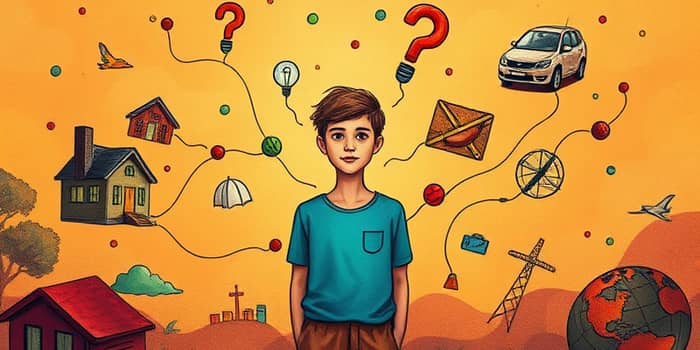
Every individual’s life is a tapestry of experiences, aspirations, and possessions. Yet traditional insurance often treats us as uniform cases, leaving gaps between our real-world needs and the protection we receive. Thankfully, personalized insurance is transforming this landscape with data-driven insights and flexible solutions that cater to our distinctive stories and circumstances.
At its core, personalized insurance moves beyond a one-size-fits-all mentality. By harnessing advanced analytics and technology, it offers tailored protection for unique assets—from vintage automobiles to bespoke art collections. This shift is not merely a technical upgrade; it’s a human-centered revolution that places clarity, choice, and control back into the hands of policyholders.
Imagine an insurance plan that adapts as you journey through life: a student embarking on international travel, a budding entrepreneur setting up a home office, or a retiree exploring new hobbies. Personalized policies recognize these evolving chapters and provide comprehensive protection without the burden of unnecessary coverages, ensuring peace of mind and financial security.
Personalized insurance encompasses several innovative variants that align coverage with individual lifestyles and requirements. Each variant leverages data and technology to craft policies that respond to real-time needs.
For policyholders, personalized insurance unlocks a suite of benefits that extend well beyond standard coverage. It aligns protection with individual circumstances, budget considerations, and long-term goals.
Insurers also reap significant rewards by adopting personalized models. They gain deeper insights into risk behavior and customer preferences, positioning them to build stronger relationships and unlock new revenue streams.
The market for personalized insurance is experiencing exponential growth, driven by digital adoption, e-commerce integration, and consumer demand for agile solutions. The following table highlights key segments and projections shaping the industry’s future:
These figures underscore a tidal wave of innovation. Asia Pacific leads embedded insurance adoption, while North America dominates on-demand coverage. Generative AI and advanced analytics further accelerate customized offerings, heralding a new era of customer-centric protection.
Technology is the engine powering personalized insurance. Sophisticated algorithms, machine learning models, and real-time data streams enable insurers to precisely assess and price risk.
Wearable devices, connected vehicles, and smart home sensors feed continuous data, supporting data-driven risk assessment and management that benefits both customers and providers. Meanwhile, digital platforms streamline policy administration, offering real-time digital underwriting and pricing at the click of a button.
Generative AI is emerging as a game changer, automating complex policy creation and risk simulations. Insurers can now craft individual policies within minutes, delivering an immersive customer-centric insurance experience that was once unthinkable.
The flexibility of personalized insurance is evident across diverse scenarios. Individuals protecting high-value collections no longer face the constraints of broad antique policies. Instead, they benefit from bespoke plans that account for appraised values, security measures, and transportation risks.
On-demand car insurance provides pay-per-use models for drivers who rent, borrow, or use vehicles intermittently. This eliminates expensive year-round premiums for infrequent drivers and encourages responsible usage, since pricing can adjust based on actual mileage and driving behavior.
Small business owners operating home-based enterprises can secure equipment, inventory, and liability coverage specifically tailored to their workspace. This embedded coverage in everyday operations makes protection both seamless and affordable.
Despite its promise, personalized insurance faces hurdles. Current adoption rates are modest, with just 7% of insurers fully implementing advanced personalization. Many organizations struggle with legacy systems, data silos, and regulatory uncertainty.
However, 90% of insurers plan to roll out comprehensive personalized solutions within four years. Industry collaborations, regulatory frameworks, and open APIs are paving the way for greater transparency, security, and innovation.
As more consumers express willingness to share personal data—72% would provide fitness or health information in exchange for lower premiums—the path toward hyperpersonalized, trust-based insurance becomes clearer. The next decade will likely witness a rapid convergence of technology and human-centric design, fostering protection that truly understands and anticipates individual needs.
Personalized insurance is more than a trend; it represents a fundamental transformation of risk management and financial security. By aligning coverage with individual lifestyles, leveraging cutting-edge technology, and fostering transparent relationships, insurers and policyholders alike stand to benefit immensely.
Whether you’re safeguarding a rare artwork, securing on-demand coverage for weekend adventures, or seeking a holistic plan that adapts as you grow, personalized insurance promises flexible and adaptive solutions for modern lives. The era of one-size-fits-all policies is drawing to a close. Today, protection is as unique as the stories we live.
References