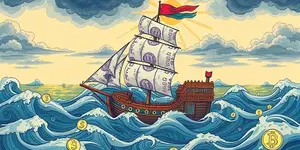
In 2025, American households face a financial challenge of epic proportions. Total consumer debt has soared past $18.59 trillion, with delinquency rates climbing to 4.5%. Yet amid these daunting figures lies an opportunity for transformation—your very own ascent of Financial Everest.
This journey is not simply about numbers; it is a deeply personal expedition requiring courage, strategy, and perseverance. By embracing proven methods and drawing inspiration from real-world triumphs, you can emerge from debt stronger, wiser, and ready for a brighter future.
Today’s debt crisis is marked by unprecedented levels of consumer debt, with household obligations swelled by medical bills, credit cards, and student loans. As of Q3 2025, total household debt stands at $18.59 trillion, up from $17.7 trillion in mid-2024. Pandemic-era savings have evaporated, leaving many families without a financial safety net.
Nearly 44% of Americans rank debt reduction as their top goal for 2025, and 84% believe that reducing debt would make their lives less stressful. Despite this, close to 90% confront barriers—too many expenses, high interest rates, and lack of clear guidance—that stall progress and amplify anxiety.
Debt and stress are intimately intertwined. Over half of adults worry about debt’s long-term impact on their financial stability, while nearly half fear it will derail their life plans. Sleepless nights, strained relationships, and persistent anxiety accompany mounting balances, creating a cycle that feels impossible to break.
Yet understanding this emotional weight is the first step toward liberation. Acknowledging your stress and reframing it as motivation empowers you to take decisive action rather than remain paralyzed by fear.
Conquering debt is more than balancing budgets; it’s reclaiming control over your destiny. The benefits stretch beyond monthly savings:
These rewards compound over time, creating a stable foundation upon which lasting prosperity is built.
Even the most determined climber faces obstacles. The most pervasive challenges include:
Recognizing these hurdles enables you to craft targeted strategies rather than a one-size-fits-all approach.
A variety of techniques have propelled countless individuals toward financial freedom. Key methods include:
Pairing these tactics with consistent budgeting and accountability creates a powerful momentum that propels you upward.
When self-directed efforts stall, professional help can serve as a reliable rope and harness on your climb. Credit counseling agencies offer Debt Management Plans (DMPs) that typically include:
Success stories underscore these benefits, demonstrating how guidance can transform overwhelming balances into manageable goals.
Hearing from those who have summited their financial Everest offers both inspiration and blueprint for action. Consider these remarkable journeys:
Samantha consolidated high-interest cards into one $850 payment, slashing interest and gaining clarity. Tammy’s family used a DMP to eliminate nearly $50,000, and Annemie paid off over $73,000 in under a year, thanks to tailored professional assistance.
Ready to take the first step? Follow this roadmap to establish a solid basecamp:
Summiting your debt mountain is not the end but the beginning of a new chapter. With payments behind you, channel freed-up funds into:
1. Emergency Savings: Aim for three to six months of expenses to insulate against unexpected challenges.
2. Retirement Contributions: Prioritize employer-matched funds and gradually increase percentages to secure long-term comfort.
3. Investment Portfolios: Diversify across stocks, bonds, and real estate to grow wealth and outpace inflation.
By reinforcing your financial base, you ensure that future peaks—homeownership, education, or entrepreneurship—are within reach.
Your ascent may be arduous, but every step forward is a testament to your resilience. Embrace the journey, leverage proven strategies, and draw strength from those who have climbed before you. The summit awaits—claim your victory over debt and stand atop your own Financial Everest.
References