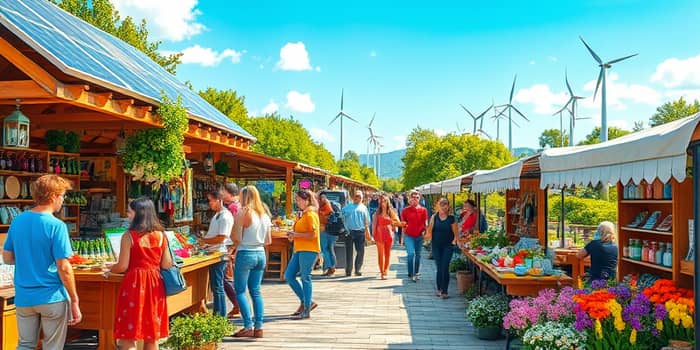
In an era of climate uncertainty and rapid environmental change, the power of individual spending decisions has never been more profound. By aligning purchasing habits with sustainability, consumers can drive industries to prioritize ethical production and ecological stewardship. This article explores how savvy spenders can navigate the evolving market, overcome common hurdles, and forge a path to long-term prosperity for both people and the planet.
Recent studies indicate that 72% of global consumers are willing to pay more for sustainable products. In North America, the average premium stands at 12%, while 62% of Canadians would accept up to a 20% surcharge. Millennials and Gen Z, the torchbearers of eco-conscious consumption, lead with commitment levels of 60% and 58% respectively.
Market performance reflects this shift. Products bearing ESG claims generated 56% of all growth over the last five years, outpacing expectations by 18%. Organic sales surged 16% between Q1 2023 and Q3 2024 in the UK market, illustrating the tangible rewards of choosing green alternatives.
Despite growing enthusiasm, obstacles persist. A majority—61% of consumers—cite cost as a deterrent, while 42% struggle to locate sustainable options. Skepticism also looms large: more than half of Canadians distrust many brands’ "green" claims.
To bridge these gaps, consumers and brands must collaborate. Shoppers can educate themselves on certifications such as Fair Trade, B Corp, and USDA Organic, while companies must bolster credibility through transparency and third-party verification.
The energy landscape is transforming at breakneck speed. In 2024, record-breaking $338 billion in energy transition financing fueled renewable energy and efficiency projects across the United States. Battery storage capacity jumped by 55%, enabling a steadier integration of wind and solar power into the grid.
Corporations are also making bold moves, signing contracts for 28 gigawatts of zero-carbon power—an all-time high. These dynamics present unique opportunities for consumers to support green innovation through their spending and investment choices.
Brands that embed sustainability into their core ethos reap both financial and reputational rewards. A striking 94% of consumers remain loyal to companies offering complete transparency in sourcing and production. Moreover, 76% will abandon brands ignoring environmental and social responsibilities.
Key tactics include:
Transforming purchasing power into a force for good requires intentional actions. Start by conducting a sustainability audit of everyday spending—identify high-impact categories like food, fashion, and personal care.
When shopping, consider these guidelines:
Investing mindfully also plays a crucial role. ESG-oriented funds now comprise over $18 trillion in assets, with projections suggesting they will exceed $35 trillion by 2025. Allocating even a modest portion of portfolios to sustainable funds amplifies collective impact.
As we approach 2025 and beyond, new trends are reshaping the sustainability narrative. Biodiversity conservation is gaining traction as companies issue blue bonds and explore nature-based carbon credits. Consumers are increasingly concerned with products’ effects on ecosystems, driving demand for regenerative agriculture and habitat restoration initiatives.
Innovations in packaging continue apace, with breakthroughs in biodegradable polymers and edible films. Simultaneously, federal policies are steering significant public funds—nearly $99 billion announced in 2024—toward green infrastructure and climate resilience projects.
These developments signal a broader cultural shift: sustainability is no longer a niche concern but an integral component of modern prosperity.
By marrying financial savvy with environmental ethics, consumers wield the power to catalyze transformative change. Every dollar spent on renewable energy, ethically manufactured goods, or sustainable investments sends a clear message to markets and policymakers alike.
Businesses that embrace this momentum stand to gain loyal customers, enhanced brand equity, and robust long-term returns. Meanwhile, individuals who integrate eco-principles into their daily lives contribute to a resilient and prosperous global community.
The savviest spender is one who recognizes that sustainable choices today pave the way for collective well-being tomorrow. Let us commit to making informed, conscientious decisions in our roles as consumers, investors, and citizens—because the future we build depends on the choices we make right now.
References