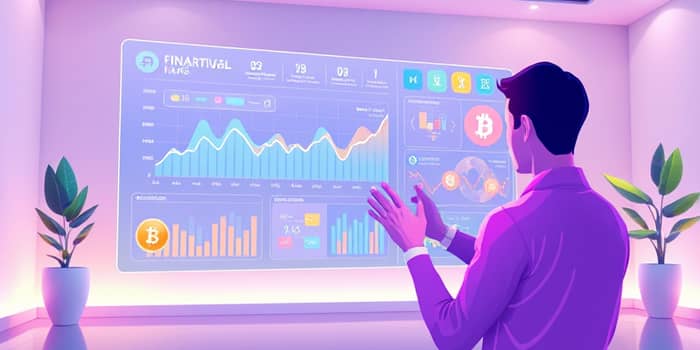
In today's economic landscape, financial pessimism is on the rise, with many feeling the squeeze of inflation and debt.
This sentiment signals a critical need to move from reactive stress to proactive control over your money.
Embracing a smart money shift means leveraging technology and strategic habits to build resilience and growth.
It's about transforming uncertainty into opportunity through informed decisions and modern tools.
Artificial intelligence is no longer a futuristic concept but an everyday financial advisor.
AI tools now offer real-time insights, from budgeting to investment suggestions, acting as a 24/7 assistant.
They help detect fraud early and optimize cash flow with predictive spending alerts.
By 2026, these features will become standard in most financial apps, enhancing accessibility.
Key applications include:
Examples like Capital One AutoPilot demonstrate micro-transfers based on checking balances, making saving effortless.
Fidelity's digital tools and similar platforms provide a unified data approach for risk management.
This integration allows humans to focus on emotional decisions while AI handles routine tasks.
Diversification remains crucial, but it's evolving with new trends and values alignment.
A balanced approach mixes sector rotation, growth-value stocks, and income-focused assets.
Values-based investing, such as ESG criteria, is becoming mainstream by 2026.
It emphasizes employee fairness, climate action, and ethical governance for long-term impact.
Consider these strategies:
Hybrid TradFi-DeFi wallets offer access to innovative financial ecosystems for yield generation.
This shift ensures investments are not only profitable but also aligned with personal ethics.
Automated savings tools prioritize high-yield options over loyalty, accelerating cash flow efficiently.
They enable automatic transfers to retirement accounts, with many providers offering escalation features.
Increasing retirement goals is essential, especially with longer lifespans and rising healthcare costs.
Scenario modeling helps plan for travel, philanthropy, and unexpected expenses in later years.
Focus areas include:
With mortgages forecasted to lower, refinancing opportunities may arise, but reinvestment risks persist.
Smart moves now can secure a more comfortable and sustainable future without stress.
Paying down debt is a top goal for many, especially seniors facing credit card costs.
Consumer sentiment is low, with inflation and income stagnation driving financial worries.
Buy-now-pay-later options are rising, appealing to youth by avoiding traditional credit stigma.
However, this shifts debt to point-of-purchase, requiring cautious use to prevent overspending.
Effective habits include:
Fed rate cuts may ease borrowing costs, but elevated rates for credit cards and loans will likely persist.
Proactive management is key to breaking the paycheck-to-paycheck cycle that affects many households.
The side-hustle economy is booming as people seek additional income sources.
It helps bridge budget gaps and provides financial flexibility in uncertain times.
Spending on experiences remains resilient, though disparities exist between income groups.
Focusing on sustainable hustles can supplement earnings without burnout.
Consider these avenues:
This trend empowers individuals to take control of their income streams proactively.
Fraud losses are increasing, making protection a critical aspect of financial health.
AI and biometrics offer early detection, safeguarding accounts from unauthorized access.
Regular monitoring and strong authentication methods are essential habits to adopt.
Planning tools can help identify vulnerabilities and prevent costly breaches.
Key protective measures include:
Staying vigilant ensures your hard-earned money remains secure in a digital world.
Budgeting fully, including essentials and discretionary spending, creates a clear financial picture.
Never finance luxury items if you can't afford to buy them twice in cash.
Updating estate plans and spring-cleaning finances annually maintains organization.
Tax rule changes, though small, can add real money when managed strategically.
Helpful habits to implement:
These steps foster discipline and long-term financial stability through consistent action.
Inflation remains sticky, and job growth is slowing, impacting wage and price dynamics.
Wealth management is tiered, with digital-first options for the affluent and personalized services for high-net-worth individuals.
Preparation involves cost management, leveraging AI backbones, and readiness for potential downturns.
This context underscores the importance of adaptable strategies in a shifting economy.
Here is a summary of key trends to guide your habits:
By integrating these insights, you can navigate challenges with confidence and purpose.
The smart money shift is about taking charge, using tools wisely, and building a future free from financial fear.
Start today by assessing your habits and making incremental changes for lasting impact.
References