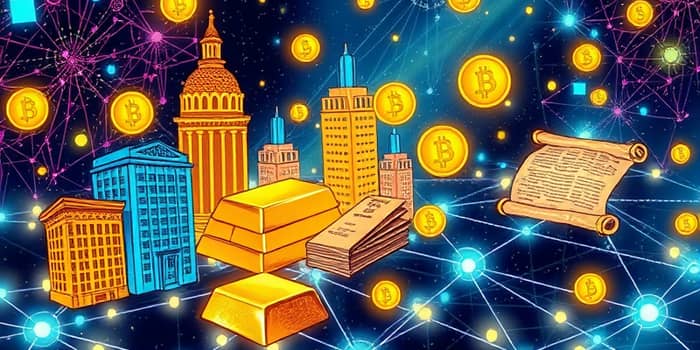
In an era defined by rapid innovation, the tokenization of real-world assets is rewriting the rules of ownership and investment. This paradigm shift is unprecedented accessibility to global markets, enabling individuals to hold fractions of high-value assets using blockchain technology. As digital tokens bridge the physical and virtual worlds, a new ecosystem of financial opportunity and inclusivity emerges, beckoning investors to explore a horizon once reserved for institutions.
By converting tangible assets into cryptographically secured tokens, we create a system where buildings, commodities, art, and intellectual property coexist organically on distributed ledgers. The result is a marketplace that never sleeps, powered by transparency, security, and broad participation.
At its core, real-world asset tokenization is the process of assigning digital tokens to ownership rights of physical or intangible assets. Through this mechanism, each token represents a share in the underlying asset, recorded immutably on a blockchain.
This approach not only immutable transparency and robust security but also establishes a single, shared source of truth. Transactions are timestamped, traceable, and resistant to tampering, fostering a culture of trust among participants. The blockchain acts as a digital custodian, reducing reliance on intermediaries and lowering operational friction.
Turning a brick-and-mortar asset into digital tokens involves a clear, multi-phase workflow. Each stage demands careful planning, legal oversight, and technical precision.
Throughout this journey, collaboration between legal experts, technologists, and financial advisors is vital. A seamless integration of disciplines paves the way for fractional shares at minimal cost and sets the stage for robust market ecosystems.
Tokenization unveils a host of advantages that resonate with both retail participants and institutional players:
Imagine owning a slice of a prime office tower for just ten dollars, or trading fractional shares of a rare painting with someone across the globe at any hour. These possibilities redefine investment norms and invite a new demographic to wealth creation.
Despite its promise, asset tokenization is not without hurdles. Stakeholders must anticipate and address several key obstacles:
Overcoming these challenges hinges on robust partnerships, continuous audits, and agile legal frameworks. By aligning with emerging regulations and adopting rigorous security protocols, tokenization projects can maintain investor confidence and operational integrity.
Different architectures cater to varied use cases. A concise comparison highlights their distinctions:
Looking ahead, tokenization holds the key to a more inclusive, efficient, and dynamic financial system. As regulatory clarity improves and technology matures, we can anticipate a surge of innovative products—from tokenized sovereign bonds to fractional carbon credits.
Ultimately, this movement strives to democratize access, enabling everyday investors to participate in opportunities once monopolized by the wealthy. By combining unprecedented accessibility to global markets with real-world utility, tokenization will continue to shape how we perceive value, own assets, and build prosperity.
As we stand on the cusp of this revolution, embracing tokenization means championing a future where ownership is fluid, markets are open, and technology empowers individuals worldwide. The paradigm shift has begun; it’s time to claim your stake in the new era of asset ownership.
References